
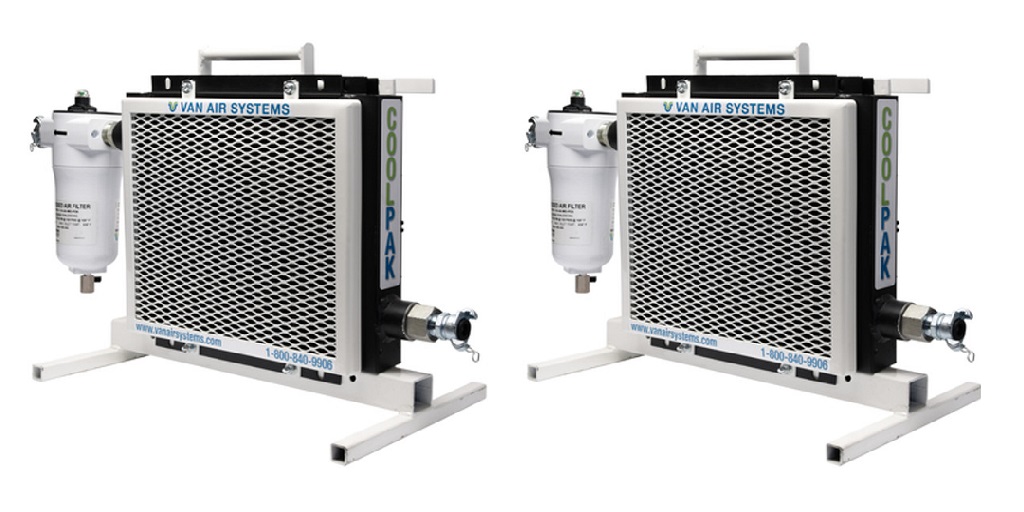
Petrochemical facilities are packed with hazards—many of which are invisible and absolutely not the kind you want in your lungs. Airborne toxins, oxygen-deficient environments, and noxious fumes turn routine tasks into serious health risks. A breathing air system isn’t just a fancy piece of equipment—it’s a necessity.
What is a Breathing Air System Anyway?
A breathing air system is designed to purify compressed air to meet breathable standards. It removes contaminants like hydrocarbons, carbon monoxide, and other airborne dangers that no one wants to inhale.
These systems are used in petrochemical plants to provide clean, breathable air in areas where exposure to hazardous substances is unavoidable. They ensure compliance with OSHA and CSA standards while keeping workers conscious, healthy, and alive—three things every employer should prioritize.
Key Components of a Breathing Air System
- Compressors: Generate the compressed air supply.
- Filters and Purifiers: Remove particulates, moisture, and toxic gases.
- Monitors: Ensure air quality remains within safe levels.
- Distribution Systems: Deliver purified air to workers via hoses, tanks, or fixed pipelines.
Each component plays a role in making sure the air isn’t just air—but air that won’t send someone to the hospital.
Air Quality Challenges in Petrochemical Plants
Petrochemical facilities are basically a greatest-hits collection of airborne hazards, including:
- Hydrocarbon vapors (benzene, toluene, xylene) – Toxic and known carcinogens.
- Hydrogen sulfide (H2S) – Smells like rotten eggs, but don’t let that fool you. It’s deadly in high concentrations.
- Carbon monoxide (CO) – A silent killer that’s colorless, odorless, and always unwelcome.
- Dust and particulates – Small enough to inhale, big enough to cause long-term lung damage.
- Oxygen-deficient atmospheres – Confined spaces can quickly turn into death traps without proper ventilation.
Without a breathing air system, workers are essentially test subjects in an uncontrolled gas experiment.
Safety First or Not at All
Health risks in petrochemical settings aren’t superficial. They’re real, immediate, and long-term. Breathing air systems are essential in high-risk operations like:
- Confined space entry – Because suffocating isn’t part of the job description.
- Maintenance and repair operations – Exposing workers to hazardous gases and contaminants.
- Tank cleaning – Where inhaling residual chemicals isn’t an option.
- Emergency response – Because responders need to be breathing while they save others.
- Abrasive blasting and painting – Where airborne dust and fumes are part of the process.
Using a breathing air system isn’t about meeting regulations—it’s about making sure workers don’t suffer from chronic illness or immediate respiratory failure.
The Multi-Stage Purification Process
Keeping air safe isn’t a one-step process. A high-quality breathing air system, like the Aircel BHD Series, follows a strict purification sequence:
- Pre-Filtration: Removes particulates and coalescing liquids.
- Adsorption: Uses molecular sieves and activated alumina to strip out contaminants.
- Catalytic Conversion: Neutralizes carbon monoxide via carulite catalyst.
- Post-Filtration: Activated carbon and sub-micron filters ensure the final air quality.
- Carbon Monoxide Monitoring: Because you can’t rely on human senses to detect lethal gases.
Skipping any of these steps is an open invitation to respiratory distress and legal trouble.
Selecting the Right Breathing Air System
Not all breathing air systems are created equal. Choosing the right one depends on:
- Airflow requirements (scfm) – More workers mean a higher demand.
- Contaminant types and levels – Different plants, different pollutants.
- System reliability and redundancy – Because failure is not an option.
- Monitoring and alarm systems – Early detection saves lives.
- Maintenance and service requirements – Regular calibration keeps the system effective.
- Portable vs. stationary systems – Some jobs require mobility, others don’t.
Get the Right System Before You Need It
A breathing air system is an investment in worker safety, regulatory compliance, and operational efficiency. Petrochemical plants are dangerous enough without workers breathing in toxic air. Visit Air & Vacuum Process, Inc. to find the right system before it’s too late.
