
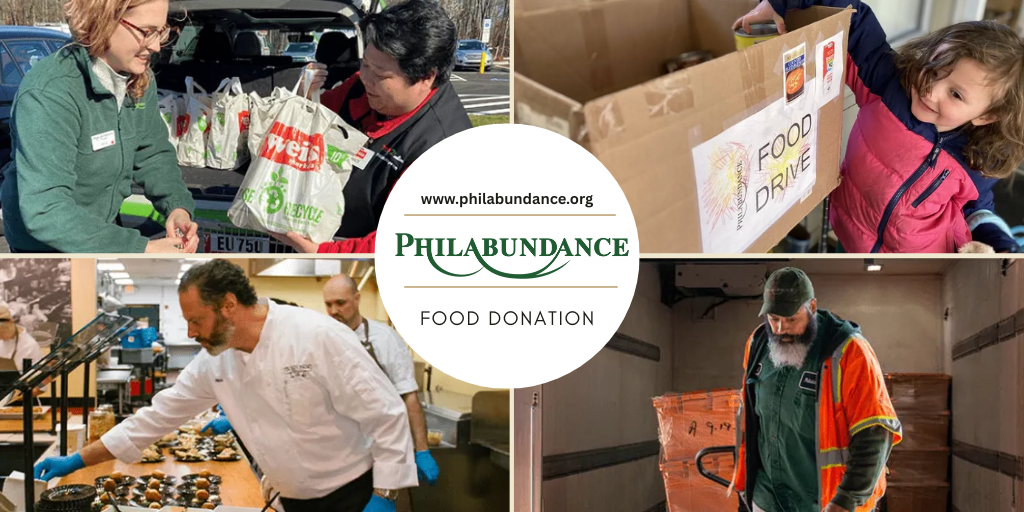
When most people think of helping their neighbors facing hunger, they think of a food donation—grabbing a few canned goods from the back of the pantry or picking up extra non-perishables at the store. It feels practical. Tangible. Like you’re doing something good. And you are, in spirit.
But the reality is that in today’s hunger relief system—especially in large cities like Philadelphia—there’s a better way to help. One that gets food to more people faster, more safely, and with less waste. For Philabundance, a central hub and frontline provider in the fight against hunger, a predictable monthly donation is often far more effective than any single food drive.
Let’s break it down.
Where Most Canned Goods Actually End Up
The truth is that not all food donations are usable. Many well-meaning donors drop off expired cans, damaged packages, or food that doesn’t align with dietary or cultural needs. Even perfectly good donations can cause bottlenecks—requiring sorting, storage, and sometimes disposal.
While every food donation is appreciated, the operational lift to process them often outweighs their benefit. Canned goods from individual donors might sit for days before being sorted, and some may not make it to a family in time to be safely consumed.
Philabundance’s model depends on efficiency. As both a direct provider and a major distributor to a network of regional food pantries, they’re tasked with moving food quickly, safely, and with care. That’s harder to do when the supply stream is inconsistent and requires heavy filtering.
Why Bulk Purchasing Beats Your Grocery Bag
Imagine spending $40 at your local grocery store to support a food donation. You might walk out with 20 cans of soup, a couple boxes of pasta, maybe some peanut butter. Now imagine Philabundance taking that same $40 and using it through their bulk purchasing partnerships and wholesale relationships.
Instead of 20 meals, they can secure up to 80.
With direct access to surplus food from regional grocers, restaurant partners, and manufacturers, Philabundance can source high-quality items—often fresh, frozen, or refrigerated—at a fraction of retail cost. These relationships allow them to stretch every dollar farther than any one shopper can.
Food banks and hunger relief organizations also know what’s in demand. They can source culturally relevant food, accommodate dietary restrictions, and purchase exactly what’s needed—without depending on the randomness of donation bins.
The Math: $40 = Up to 80 Meals
It might sound too simple, but it’s real. A monthly donation of $40 can help provide enough food for up to 80 meals. That’s not a marketing spin—it’s grounded in the scale and efficiency of Philabundance’s distribution network.
Thanks to their relationships with suppliers, transporters, and local community organizations, they’re able to move food at a volume and speed that outpaces any traditional food drive. And when donations are financial, they can keep up with fluctuating demand, fill emergency gaps, and serve families in a more consistent and respectful way.
That $40 isn’t just feeding one household. It’s contributing to a larger, smarter system that helps ensure more people get what they need—when they need it.
How Monthly Giving Fills the Gaps Food Drives Can’t
One-time food drives often come in waves—holidays, back-to-school seasons, or major emergencies. But hunger doesn’t follow a calendar. Families face food insecurity every month, and so must the support systems that serve them.
Monthly giving is what helps Philabundance plan ahead. When they know what funds are coming in, they can commit to long-term food purchases, streamline logistics, and support partners across the Delaware Valley who rely on them.
A reliable stream of funding also reduces food waste. Rather than reactively dealing with excess or spoilage, Philabundance can coordinate timely deliveries, especially of perishable items that traditional donation models can’t accommodate.
So if you’ve ever wondered whether a food donation makes a difference, the answer is yes—but not always in the way you expect. What helps most isn’t another bag of canned corn. It’s committing to a smarter kind of giving.
A $40 monthly donation can help provide up to 80 meals—and it keeps the system running when food drives go quiet. If you’re ready to make a difference that lasts longer than a weekend collection, consider supporting Philabundance with a monthly gift. Your support moves food faster, farther, and into the hands of those who need it most.
To start making your impact today, donate monthly here.
For more information about Charities In Philadelphia and Corporate Donations Please Visit : Philabundance
