
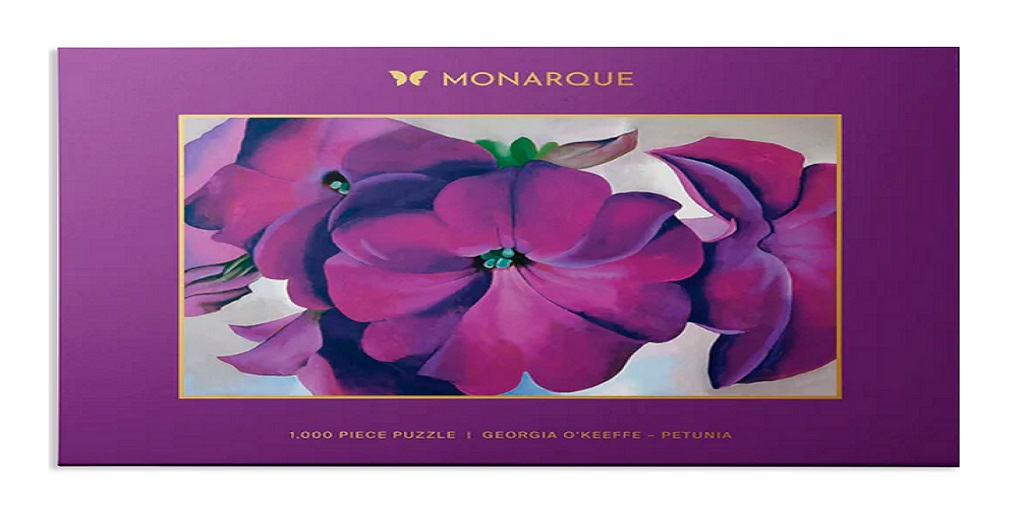
In an era dominated by screens and digital entertainment, it’s refreshing to find activities that offer children a deeper, more tactile connection with creativity, patience, and problem-solving.
One such activity is the classic jigsaw puzzle, more specifically, art puzzles. These are puzzles that feature beautiful illustrations, famous paintings, whimsical characters, or original designs that engage children not just intellectually, but artistically. Whether you’re a parent looking to enrich your child’s playtime or a teacher seeking stimulating classroom tools, art puzzles deserve a top spot on your list.
A Gateway to Creativity and Visual Thinking
Art puzzles are immersive visual experiences that can help develop a child’s right brain. Unlike ordinary puzzles that may depict bland images or abstract shapes, art puzzles expose children to color theory, spatial composition, and artistic styles. They stimulate visual literacy, teaching kids how to decode visual information and appreciate artistic aesthetics.
When a child assembles a puzzle, they’re learning to recognize brushstrokes, hues, and artistic themes. This fuels their own creativity and helps them develop an appreciation for the visual arts, an increasingly important skill in a world where visual communication is everywhere.
Improves Cognitive and Problem-Solving Skills
Art puzzles present kids with a unique set of cognitive challenges. From identifying color gradients to matching abstract patterns and interpreting how small pieces form a larger picture, puzzles exercise a child’s brain in a multi-layered way.
Key cognitive skills that are sharpened by puzzle play include:
- Memory: Remembering shapes, colors, and where certain pieces were last seen.
- Attention to Detail: Spotting minute differences between seemingly identical puzzle pieces.
- Spatial Awareness: Understanding how parts fit together and visualizing outcomes.
- Logical Thinking: Forming strategies, such as building the border first or grouping by color.
This makes art puzzles an excellent way to support academic growth in subjects like math and science, where spatial reasoning and pattern recognition play a critical role.
Fosters Patience, Focus, and Perseverance
In a fast-paced world of instant gratification, the act of completing an art puzzle teaches kids invaluable soft skills, chief among them being patience. Unlike many games where rewards come quickly, puzzles demand time, concentration, and trial-and-error. The payoff is a sense of accomplishment and the beauty of the finished artwork.
As children spend time assembling a puzzle, they enter a state of flow, where they become absorbed in the task. This improves focus and lengthens attention spans, especially valuable for children who struggle with hyperactivity or distraction. The process also teaches perseverance: mistakes are normal, but the reward comes to those who stick with the process.
Encourages Independent and Collaborative Play
One of the great aspects of art puzzles is their versatility in how they can be used. Children can enjoy them alone, deepening their sense of independence and self-directed play. Alternatively, puzzles can be completed with friends, siblings, or family members, making them a wonderful opportunity for:
- Teamwork: Sharing ideas and working toward a common goal.
- Communication Skills: Talking through strategies and problem-solving together.
- Bonding: Strengthening parent-child or sibling relationships through shared quiet time.
In educational settings, art puzzles are perfect for group stations or collaborative activities that teach cooperation and mutual respect.
A Timeless Educational Tool Disguised as Play
Art puzzles don’t beep, flash, or buzz, but they do spark wonder, build critical skills, and create lasting memories. Whether your child is an aspiring artist, a logic lover, or just needs a fun way to wind down, puzzles provide a screen-free gateway to creative and cognitive development.
Parents, educators, and caregivers looking for meaningful, enriching activities should consider adding a few art puzzles from theMuseum of Fine Arts, Boston’s online selection!
