
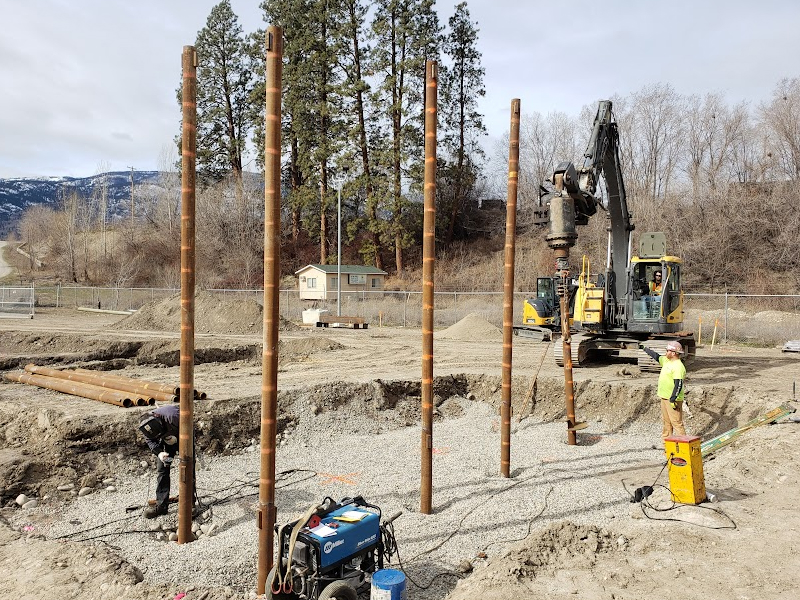
Choosing the right foundation system for residential, commercial, or industrial projects isn’t as straightforward as it seems. For years, concrete piers have been the go-to choice for many builders and property owners, but they’re not always the most cost-effective solution. Hidden expenses—from extended project timelines and unpredictable soil conditions to rising labor costs—often catch homeowners and contractors off guard.
Let’s break down why concrete piers might be costing you more than you think—and why it may be worth considering other options.
1. Longer Installation Timelines Mean Higher Labor Costs
Concrete piers require extensive site preparation, excavation, formwork, and curing time. After pouring, the concrete needs days—sometimes even weeks—to set properly before construction can continue. During this waiting period, contractors and crews are on hold, which can significantly increase labor costs.
In contrast, many people are now looking for helical pile contractors because helical piles can often be installed within a single day, depending on project size. This speed translates into shorter construction timelines, reduced labor expenses, and fewer project delays.
2. Unpredictable Soil Conditions Can Inflate Costs
One of the biggest challenges with concrete piers is their reliance on stable soil conditions. If unexpected soft soil, water tables, or rock layers are discovered during excavation, costs can skyrocket due to additional digging, reinforcements, or redesigns.
Builders who have dealt with these issues are increasingly turning to alternative foundation methods. When searching for “helical pile contractors near me,” they often find that these solutions work better across a wide range of soil types, minimizing the risk of sudden cost increases caused by unforeseen ground conditions.
3. Equipment and Material Expenses Add Up
Concrete foundations require heavy machinery for excavation, form setting, and material handling. This means more equipment rentals, fuel costs, and specialized labor. On top of that, transporting and pouring concrete involves additional logistical expenses, especially in remote or hard-to-reach project locations.
Those looking for more efficient solutions often discover that working with helical pile contractors reduces the need for large-scale excavation and heavy equipment, resulting in lower overall site-preparation costs.
4. Weather Delays Can Stall Your Project
Concrete installation is highly sensitive to weather. Extreme cold, heavy rainfall, or sudden temperature shifts can all delay curing times and compromise structural integrity. In areas where weather is unpredictable, these delays can significantly push back project completion and inflate costs.
Property owners seeking faster, weather-resistant alternatives are increasingly researching “helical pile contractors near me.” Since helical piles don’t require curing, construction can move forward almost immediately after installation, avoiding costly downtime caused by weather-related setbacks.
5. Long-Term Maintenance Costs Are Often Overlooked
While concrete piers are designed to be durable, shifting soil, frost heave, and drainage issues can lead to cracks and settling over time. Repairing or reinforcing failing concrete foundations can be costly and disruptive.
Many homeowners and contractors now prefer foundation solutions that minimize long-term maintenance needs. By finding helical pile contractors, they often discover options that provide greater stability and longevity, helping to reduce the likelihood of expensive repairs in the future.
Concrete piers have their place in construction, but they’re not always the most cost-effective choice—especially when factoring in delays, labor, soil conditions, and maintenance expenses. More builders and property owners are exploring better alternatives by searching for “helical pile contractors near me” to find solutions that save time, reduce costs, and deliver lasting results.
For More Information About Best Underpinning Services and Commercial Drilling Service Bc Please Visit: ATLAS PILING.
