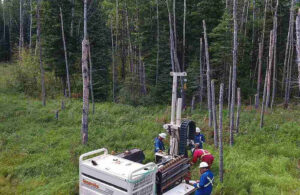
Acquiring land for development involves evaluating considerably more than purchase price, location and zoning. A property’s environmental history and existing site conditions can influence its suitability for a proposed project, as well as the costs and timelines associated with development. Environmental Consulting Firms can assist with investigations that examine potential contamination, historical land uses and other environmental concerns before an acquisition is completed. For developers and property investors, conducting environmental due diligence at an early stage can provide important information for evaluating potential risks and making decisions based on the property’s actual conditions.
Looking Beyond the Property’s Current Use
A property’s present appearance does not necessarily reveal its environmental history. Previous activities on the site may have involved fuel storage, industrial operations, waste handling or other uses that could have affected soil or groundwater. Nearby properties may also be relevant where environmental impacts have the potential to migrate across boundaries. Environmental Consulting Firms can examine available historical and site information to identify conditions that warrant further investigation. This is particularly important when land has experienced several changes in ownership or use, as historical records can reveal concerns that are not evident during a routine property inspection.
Assessing Potential Environmental Risks
Environmental due diligence generally begins with gathering information about the property and its surrounding area. Depending on the circumstances, investigations may include historical research, regulatory records, site observations and other forms of environmental assessment. The objective is not simply to identify contamination, but to understand whether potential environmental conditions could affect the proposed acquisition or future development. One important consideration is that the significance of an environmental concern depends on factors such as its location, extent and relationship to the planned use of the property. Early assessment can help establish which issues require closer examination.
Connecting Findings With Development Plans
Environmental findings become more meaningful when considered alongside the intended development. A proposed residential project, commercial building or industrial facility may have different environmental considerations depending on its design and site activities. Potential concerns can influence excavation plans, site grading, construction methods or the treatment of affected materials. Environmental Consulting Firms can provide technical information that helps project teams understand these relationships.
Considering Financial and Regulatory Implications
Environmental issues can have implications beyond physical site conditions. Investigation, remediation, monitoring and regulatory requirements may introduce additional costs or affect the timing of a development project. Identifying these possibilities before completing a property acquisition allows developers to incorporate them into broader financial and project planning. A common challenge is discovering an environmental concern only after ownership has changed and development plans are already underway. Earlier due diligence can provide an opportunity to investigate uncertainties, evaluate potential obligations and determine whether environmental conditions could materially alter the assumptions behind a proposed investment.
Making Better Acquisition Decisions
Environmental due diligence provides developers with information that can complement legal, financial, planning and technical property assessments. Environmental Consulting Firms can help establish whether historical uses or existing site conditions warrant further investigation before development property is acquired. The resulting information does not necessarily indicate that a property is unsuitable for development; instead, it provides a clearer basis for understanding potential risks and planning appropriate responses. For property purchasers, the central value of early environmental due diligence is informed decision-making. Understanding environmental conditions before an acquisition can reduce unexpected complications and support more realistic development planning from the outset.
For More Information About Real Property Reports Regina and Land Surveying Saskatchewan Please Visit: Connexa Group.