
Cottage living offers peace, relaxation, and a connection with nature—but when it comes to building or upgrading decks and docks, the unique environmental conditions around lakes and wooded areas can pose serious challenges. That’s why more and more cottage owners are turning to an innovative foundation solution: helical piles for decks.
Unlike traditional deck supports that often rely on concrete footings or wood posts, helical piles provide a faster, more stable, and long-lasting foundation, especially for structures built near or over water. In this article, we’ll explore why helical piles are becoming the preferred choice for cottages and how they outperform conventional alternatives.
Why Traditional Deck and Dock Supports Fall Short
Traditional supports—like concrete piers or sonotubes—can be labor-intensive, weather-dependent, and susceptible to shifting or frost heave, particularly in areas with variable soil conditions. Many cottage properties are located in remote or rugged environments, making heavy machinery access difficult and increasing the complexity of site preparation.
These old-school methods also require time-consuming digging, curing, and leveling. For waterfront docks, this often means dealing with water levels, loose or saturated soils, and erosion—all of which can make traditional installations unreliable or short-lived.
What Makes Helical Piles Ideal for Cottages?
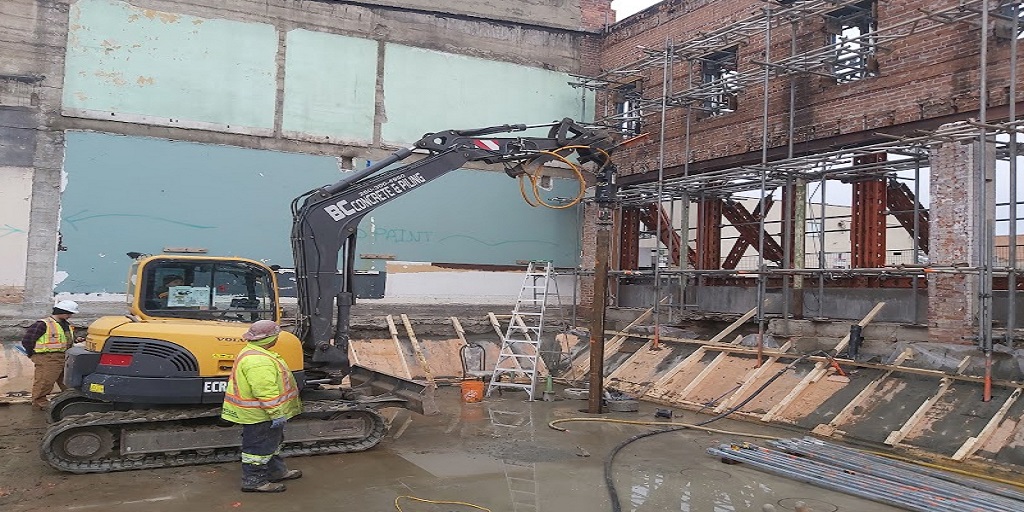
Helical piles for decks are made of galvanized steel with screw-like plates that anchor deep into the ground, far below the frost line. They’re installed using compact hydraulic machinery that’s easy to transport—even to the most hard-to-reach cottage locations. The result? Minimal disruption to the landscape, faster installation times, and superior stability.
Let’s break down the key reasons why more cottage owners are making the switch:
1. Quick and Easy Installation
Cottage season is short, and time is precious. The installation of helical piles can typically be completed in just a day or two, with no need to wait for concrete to cure. That means your deck or dock can be built and enjoyed sooner—with fewer delays due to weather or scheduling.
The lightweight equipment used for installation also causes less damage to lawns, gardens, and natural terrain, making it an ideal option for environmentally conscious cottage owners.
2. Stability in Challenging Terrain
Cottages are often located in areas with rocky, sandy, or uneven soil—conditions that aren’t ideal for traditional footings. Helical piles for decks provide excellent load-bearing capacity and can be installed to reach stable soil or bedrock, ensuring your structure remains secure over time.
This is especially important for docks, which are frequently exposed to shifting water levels, erosion, and ice movement. Helical piles anchor deep below these unstable layers, protecting your investment season after season.
3. Long-Term Durability
Made from corrosion-resistant materials, helical piles are built to withstand harsh weather conditions, moisture, and freeze-thaw cycles. Their deep anchoring also reduces the likelihood of movement over time—so you don’t have to worry about your deck sloping or your dock loosening its grip on the shoreline.
Because of their durability, they also require little to no maintenance. Once installed, you can enjoy peace of mind knowing your structure is supported by a foundation built to last for decades.
As more cottage owners discover the benefits of helical piles for decks, it’s clear that this once-specialized solution is becoming the new standard for lakeside and rural construction. Whether you’re starting a new build or replacing an old structure, helical piles provide a reliable foundation that supports your cottage lifestyle—now and for many summers to come.
