
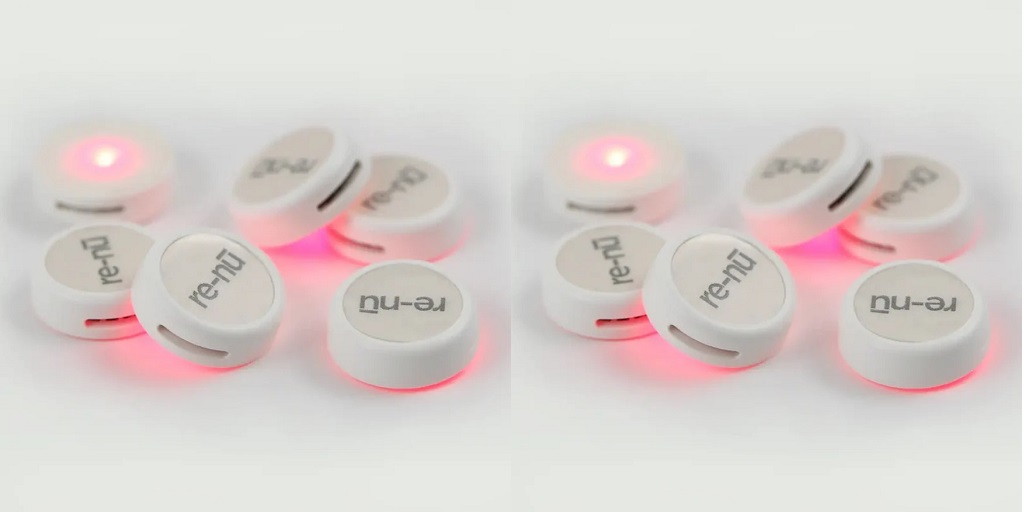
Dealing with acne and blemishes often means trying multiple treatments that can feel harsh or inconsistent. Red light therapy patches offer a focused option that works directly on the affected area while remaining gentle on your skin. These patches combine light-based technology with targeted ingredients, creating a routine that fits easily into your day or nighttime care.
Red light therapy works beneath the surface of your skin, supporting a more balanced and even-looking complexion. Blue light complements this process by helping the skin, especially in areas prone to congestion. Together, they create a dual approach that addresses both the look of breakouts and overall skin clarity.
How Light Therapy Supports Acne-Prone Skin
Light-based treatments have been studied for their ability to interact with the skin without causing damage. Red light penetrates deeper layers, where it supports skin renewal and helps reduce the appearance of redness. Blue light stays closer to the surface, reducing the look of impurities.
This method avoids friction, dryness, or peeling. You place the patch directly over the blemish, allowing the light and ingredients to work over several hours. Many options are designed for overnight use, typically between six to eight hours, which gives your skin time to recover while you rest.
Ingredients That Target Breakouts Effectively
Red light therapy patches often include carefully selected ingredients that support clearer-looking skin without irritation:
- Salicylic Acid: It helps keep pores clear. It penetrates the skin and helps remove buildup that can lead to breakouts. Regular exposure helps smooth texture and maintain a more refined appearance.
- Centella Asiatica: Often listed as Centella Extract, is known for its calming properties. It helps reduce the look of redness and supports the skin barrier. This makes it especially useful if your skin reacts easily to stronger treatments.
- Tea Tree Oil: Provides natural antibacterial support. It helps address the appearance of blemishes while also calming inflamed areas. Its lightweight nature allows it to work without leaving a heavy residue.
- Hydrocolloid technology: It creates a controlled environment over the blemish. It absorbs excess moisture and impurities while protecting the area from external factors. This layer also prevents picking or touching, which can slow down recovery.
A Comfortable and Targeted Routine
These patches are designed with comfort in mind. They sit smoothly on the skin and stay in place, even during sleep. Their compact size makes them easy to carry, so you can maintain your routine whether you’re at home or traveling.
Because they focus on specific areas, you don’t need to apply treatment across your entire face. This reduces the chance of dryness or irritation in unaffected areas. Over time, consistent use can help improve the appearance of blemish-prone spots and support smoother-looking skin.
Comparing Acne Treatment Options
There are several acne treatments available, each with a different approach.
Topical creams often cover larger areas and may include strong active ingredients. These can lead to dryness, especially with frequent use. Oral medications require consistency and may have additional considerations that depend on your overall health.
Professional treatments like chemical peels or laser sessions involve scheduled appointments and recovery time. They can be effective but require planning and often a higher level of commitment.
Red light therapy patches offer a more flexible option. You apply them when needed, focus only on problem areas, and continue with your normal routine. There’s no need for downtime, and the process remains simple and controlled.
If you’re exploring ways to simplify your acne routine while keeping it effective, red light therapy patches can be a practical addition. For more information about this approach and how it fits into daily skincare, you can explore solutions from re-nū Smart Beauty.
