
If you run a small-batch winery or artisanal beverage plant, you already know how critical each stage of production is. But what many producers overlook is how unseen moisture in compressed air can quietly sabotage everything from bottle rinsing to labeling. Mold, faulty seals, and damaged reputations can all trace back to one thing: unfiltered, humid air.
This is where a compressed air dryer proves indispensable—especially for operations that rely on air-powered bottling equipment and are concerned about preserving product quality at every step.
Where Compressed Air Meets Craft Bottling
In any beverage bottling line, compressed air is used across multiple touchpoints:
- Rinsing bottles before filling
- Operating pneumatic capping and corking equipment
- Labeling and date-coding
- Moving bottles via air-powered conveyors
- Flush out residuals without introducing water-based contaminants
- Powering diaphragm or piston pumps for transferring wine or juice between tanks
- Controlling automated valves and actuators that regulate product flow and pressurization
- Drying bottles or cans before labeling using air knives or nozzles
- Nitrogen blanketing or purging via compressed air-assisted valves
- Help pull air out of the bottle before cork insertion
Each of these tasks depends on air that’s free from water vapor, oil, and particulates. Even trace moisture in compressed air can condense within the system and reach the product or equipment. In industrial-scale production, this risk is often mitigated through elaborate filtration and drying systems, but for smaller producers, the solution must be both effective and scalable.
Why Moisture is a Hidden Threat
Moisture in compressed air doesn’t announce itself immediately. Over time, however, it can create significant problems:
- Mold growth inside bottles that were supposedly pre-rinsed
- Compromised seals due to humidity affecting capping torque
- Label adhesion issues from condensation
- Corrosion in pneumatic tools and valves
- Product recalls or reputation damage tied to contamination risks
In an artisanal or small-batch setting where reputation hinges on consistency and trust, these risks are too great to ignore.
The Role of a Compressed Air Dryer in Quality Control
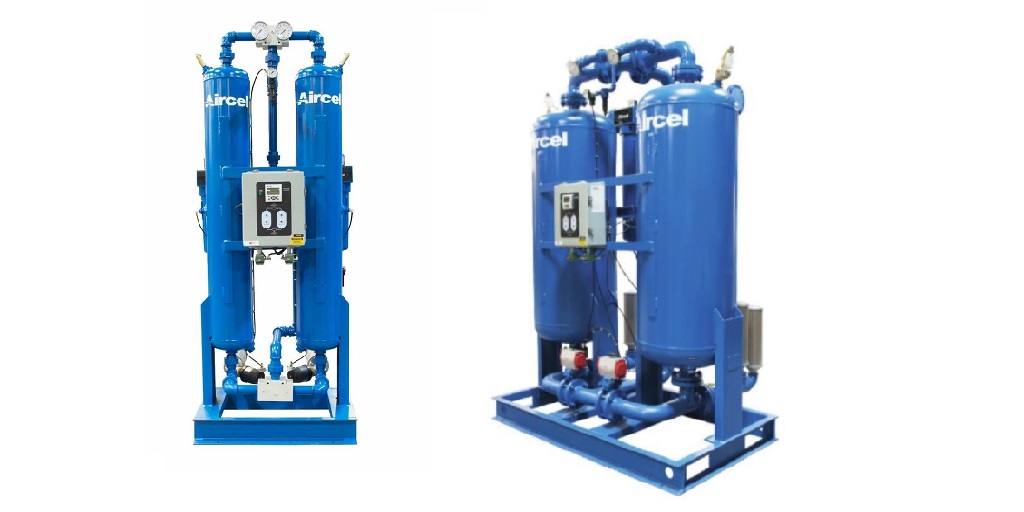
A compressed air dryer removes moisture from the air before it reaches any point-of-use equipment. There are several types—refrigerated, desiccant, membrane—but for most beverage bottling operations, a refrigerated dryer provides the best balance of efficiency, performance, and ease of use.
Refrigerated dryers cool the air to condense moisture, which is then drained off. This results in air that’s significantly drier and suitable for food-grade applications when used in conjunction with appropriate filtration.
For small-scale producers who are scaling operations or switching to semi-automated bottling lines, integrating a refrigerated compressed air dryer can mean the difference between a seamless operation and recurring quality control headaches.
Tailored Solutions for Artisanal Producers
Not every winery or craft soda operation has the luxury of a dedicated facility engineering team. That’s where working with knowledgeable suppliers becomes essential.
At Air & Vacuum Process, Inc., the focus is on helping small and mid-sized producers select the right air system for their workflow—balancing equipment size, dew point requirements, and maintenance schedules. They offer a range of dryers designed for different volumes and pressure ranges, including space-saving units ideal for compact production floors.
Whether your system runs daily or seasonally, a properly sized compressed air dryer can keep bottling lines clean, efficient, and protected from avoidable risks.
A Crucial Investment
In many ways, the quality of the air used in bottling is as important as the liquid going into the bottle. While consumers may never see the behind-the-scenes work of pneumatic systems, they will absolutely notice when mold appears in a bottle, or a label peels prematurely.
For small-batch producers looking to maintain high standards, reduce waste, and avoid costly downtime, investing in a reliable compressed air dryer isn’t just practical—it’s essential.
To learn more about equipment options suited for food and beverage bottling, visit Air & Vacuum Process, Inc. online and explore solutions built with precision and protection in mind.
