
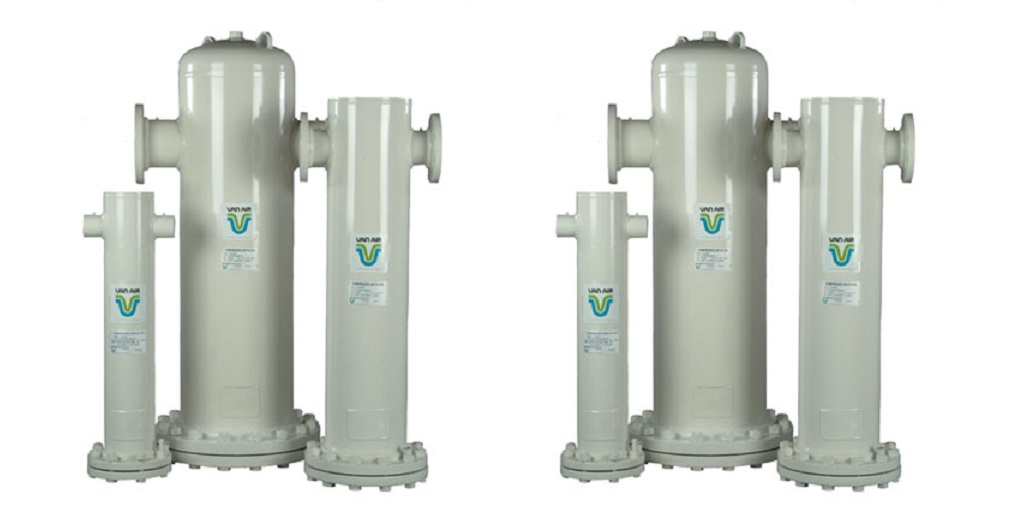
Walk into any facility running compressed systems long enough, and patterns start to show. Moisture builds. Oil carries over. Fine particles move further than expected. That’s where compressed air and gas filters come into focus early, especially for teams that want control over performance instead of reacting to problems later.
They don’t get added as an afterthought. They sit right inside the planning stage because clean air drives consistency. When systems run all day, every day, small contaminants stack up fast.
Where Compressed Air and Gas Filters Start Doing the Heavy Work
Every compressed system pulls in ambient air. That air already carries dust, moisture, and hydrocarbons. Once pressure increases, those contaminants concentrate and move downstream.
That’s where compressed air and gas filters take over. They trap what the compressor cannot manage on its own. Teams often pair them with air compressor filters to handle intake protection while downstream filtration handles finer cleanup.
Midway through operations, the role becomes clearer. Without proper compressed air and gas filters, buildup starts affecting valves, actuators, and end-use tools. That’s when wear accelerates and maintenance costs climb.
Filter elements inside these systems do the real work. They capture particles at different micron levels depending on the application. Some setups rely on layered filtration stages, especially when precision matters.
Why Compressed Air and Gas Filters Control System Stability
Once a system runs continuously, stability becomes the priority. Pressure fluctuations, moisture spikes, and oil carryover all affect performance.
That’s why compressed air and gas filters sit alongside gas filtration systems in more demanding setups. They keep flow consistent and protect sensitive equipment downstream.
Mid-operation, operators often notice a difference after installing proper filtration. Compressed air purity improves. Equipment cycles smoother. Maintenance intervals stretch out.
Coalescing filters play a major role here. They remove oil aerosols and fine liquid droplets that standard filters miss. In parallel, particulate filters capture solid debris before it reaches critical components.
Facilities that rely on precision tools or automated systems depend heavily on these layers. Every stage filters something different. Every stage protects the next.
How Compressed Air and Gas Filters Work With Drying Systems
Filtration alone doesn’t solve moisture issues. That’s where drying comes in. Teams often combine air and gas filters with desiccant dryers to control dew point levels.
This pairing creates a cleaner, drier system from start to finish.
In the middle of operation cycles, the impact becomes obvious. Moisture no longer condenses inside lines. Corrosion slows down. Instruments respond more consistently.
Without that combination, even the best industrial air filters struggle to keep up. Moisture keeps moving, carrying contaminants along with it.
That’s why system design often layers filtration and drying together. One handles particles and oil. The other removes water vapor. Together, they stabilize the entire process.
Why Compressed Air and Gas Filters Shape Long-Term Performance
Teams that think long term treat filtration as part of system design, not maintenance cleanup. They plan for airflow, contamination load, and operating conditions from the start.
That’s where compressed air and gas filters prove their value over time. They protect equipment, reduce downtime, and keep output consistent.
Across different industries, setups vary. Some rely on basic air compressor filters and a single stage of filtration. Others use multi-stage systems with specialized filter elements tailored for specific contaminants.
The goal stays the same. Clean air. Stable pressure. Predictable performance.
When systems run without proper filtration, problems don’t show up all at once. They build slowly. Wear increases. Efficiency drops. Costs rise without warning.
That’s why experienced operators focus on prevention. They understand that compressed air and gas filters control more than cleanliness. They control reliability.
For teams looking to maintain system performance and reduce long-term operating issues, investing in the right filtration setup makes a measurable difference. Explore how properly selected compressed air and gas filters from Air & Vacuum Process, Inc. can support your operation and keep your system running the way it should.
