
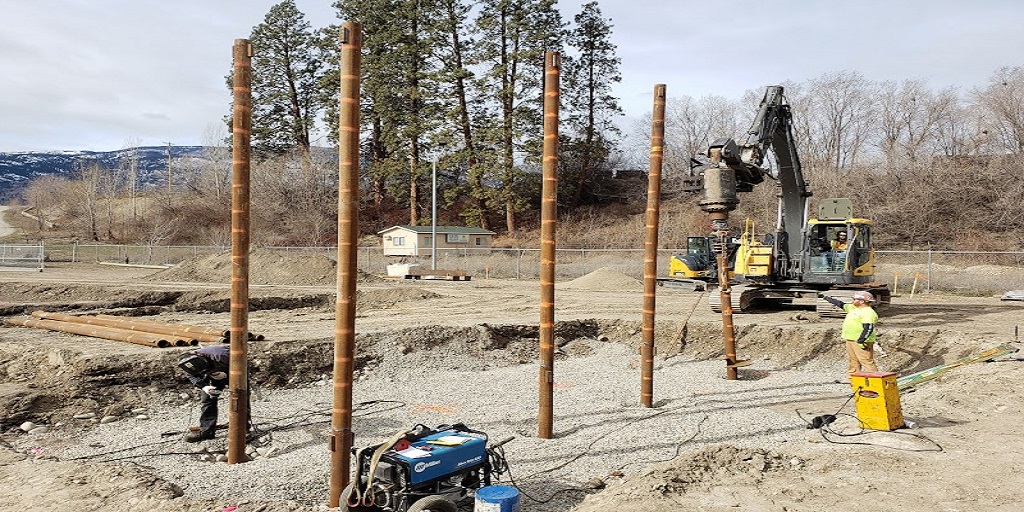
When it comes to building foundations that can stand up to the unpredictability of nature, helical screw piles are gaining attention for all the right reasons. Whether it’s gale-force winds, rising groundwater, or seismic tremors, the demand for deep foundation systems that can deliver both flexibility and durability is higher than ever. So how do helical screw piles perform when things get extreme? Let’s dive into how these steel giants handle the most brutal tests nature can throw their way.
Built for the Wind: Uplift Resistance That Matters
High winds, especially in hurricane-prone or open rural areas, exert upward pressure on structures—a force that’s often underestimated. Traditional concrete foundations can crack or fail under this tension. Helical screw piles, on the other hand, shine in these conditions thanks to their deep anchoring and helix plate geometry.
Once screwed into the ground, the helices act like giant threads gripping the soil, providing incredible resistance against uplift. This makes them a top choice for securing lightweight or elevated structures like decks, modular buildings, and solar panel arrays that are often vulnerable to wind-related stress.
Rising Water and Saturated Soil: No Match for Screw Piles
Waterlogged soil is one of the toughest challenges for any foundation. When soil becomes saturated, its load-bearing capacity drops dramatically, causing traditional footings to shift or sink. Helical screw piles address this issue head-on.
Since they are installed deep into stable layers of soil, they bypass the weak upper strata. Even in flood zones or areas with high water tables, helical screw piles maintain their grip, ensuring that the structure above remains level and secure. Additionally, their installation process causes minimal soil disturbance, reducing the chance of erosion or soil displacement that often occurs during heavy rains.
Earthquakes: Flexibility Meets Deep Ground Engagement
During an earthquake, it’s not just vertical force that foundations must endure—it’s lateral shaking and movement. Helical screw piles offer a compelling advantage here as well. Their slender profiles and deep anchoring allow them to flex slightly with seismic activity, absorbing shock rather than cracking or shearing.
The spacing and design of the piles can also be engineered for site-specific seismic requirements, creating a system that distributes stress more evenly throughout the structure. This makes screw piles a resilient choice for both residential and commercial buildings located in seismically active zones.
Real-World Performance
Engineering theory is great, but what really counts is how these systems perform in the field. Time and again, helical screw piles have proven their strength in disaster-prone areas. From structures that remained standing after severe windstorms to installations in floodplains that withstood rising water without shifting, the results speak for themselves.
Another key strength lies in their adaptability. Screw piles can be installed year-round, even in frozen or muddy conditions, which is a huge advantage in regions that experience seasonal extremes. Once installed, they’re immediately load-bearing—no need to wait for concrete to cure. That kind of speed and reliability can make all the difference when reinforcing or rebuilding after a natural event.
While helical screw piles are exceptional under extreme forces, their benefits extend beyond crisis resilience. Their minimal environmental impact, quick installation, and long-term stability make them a smart choice for everyday builds, too. Still, it’s their performance under pressure that truly sets them apart.
