
Most people think that mold is pretty easy to spot. However, it can be sneakier than you realize. You might not see it, but that doesn’t mean that it isn’t there, lurking behind walls, under floors, or in your air vents. Recognizing its signs is crucial, because even hidden mold can wreak havoc on your health and your home. Here are some telltale signs that it might be hiding where you least expect it:
Why is Mold So Hard to Detect?
The one thing that you can count on mold to do is to grow in spaces that are dark and damp. This makes areas such as basements, crawl spaces, and even your attic is prime real estate for it.
Since these areas are often out of sight, mold can thrive unnoticed for weeks, or even months. The scary part, too, is it doesn’t stay put. Mold spores travel through the air, finding new places to grow. That’s why catching the early signs of mold is so important.
Sign 1: Unexplained Musty Odors
Have you ever walked into a room and been hit by a damp, earthy smell? That could be mold. Even if you don’t see any visible signs, a persistent musty odor is often one of its red flags. It typically indicates that mold is growing somewhere hidden, such as behind wallpaper, beneath carpets, or inside walls. If you notice this particular scent, it’s time to investigate further.
Sign 2: Persistent Allergy Symptoms
Are you or someone in your family constantly sneezing, coughing, or dealing with itchy eyes? Mold might be to blame! Mold spores can trigger allergic reactions, especially in people sensitive to indoor allergens. These symptoms often worsen in specific rooms or during certain times of the day. If you’re feeling under the weather and can’t pinpoint why, mold might just be the culprit behind it.
Sign 3: Stains or Discoloration on Walls and Ceilings
Even if you don’t see mold outright, it can still sometimes leave visible clues. You might notice discoloration, water stains, or patches of peeling paint on your walls or ceilings. These marks often indicate moisture problems – prime conditions for the growth of mold. Even if the stains seem minor at first, they could signal a much bigger issue beneath the surface.
Sign 4: Warped or Bubbling Surfaces
Wallpaper that’s started to peel or wooden floors that feel oddly warped may also point to a mold issue. Moisture trapped behind walls, under floors, or beneath surfaces can lead to mold. These physical changes often occur because mold breaks down materials like wood and drywall over time. If you spot bubbling paint or uneven surfaces, don’t ignore it.
Definitively Find Out If You Have Mold with Micro Balance Health Products’ Mold Detection Kit
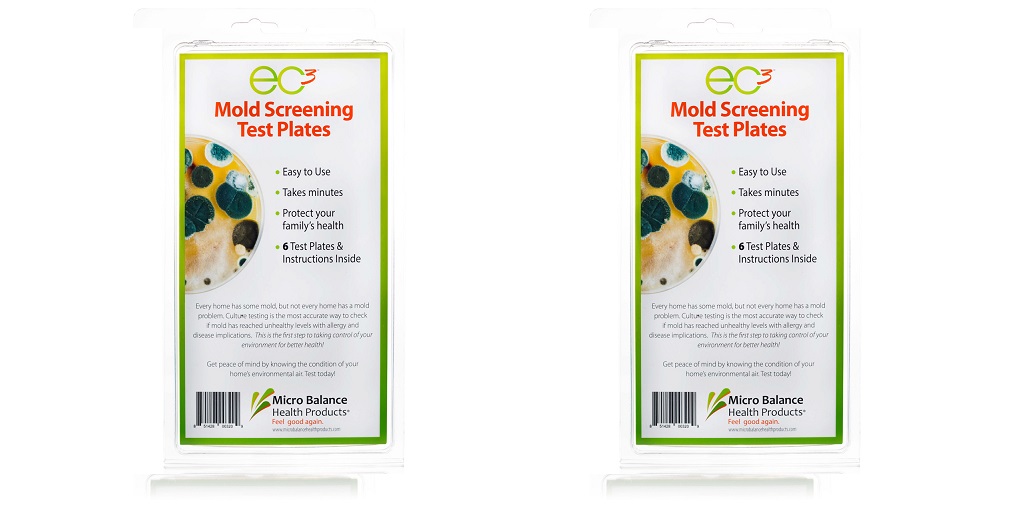
Micro Balance Health Products’ mold detection kit, EC3 Mold Screening Test Kit, is an easy-to-use and effective solution that includes everything you need to test for elevated levels of mold in your indoor air. It includes 6 mold test plates, as well as detailed instructions on how to use them. Using this kit only takes a few minutes, and you can read your results using the included package insert in just 5 days. Visit the Micro Balance Health Products website now to learn more.
