
Isn’t keeping your bed linens fresh, clean, and cozy one of life’s most underrated pleasures? After all, who doesn’t love the feel of freshly laundered sheets that smell like a breath of fresh air? Whether you’re tackling your bed sheets, pillowcases, or blankets, laundering your bed linens doesn’t have to be a dreaded chore. This brief guide will walk you through the entire process:
Preparing Your Linens for Washing
It might be tempting to toss all of your bed linens into the washing machine, but preparing them beforehand can be hugely beneficial. Proper preparation helps maintain the quality and durability of your linens, ensuring that they last longer. Fastening any buttons and zippers can also prevent damage to both your linens and your washing machine.
Start by separating your items by color – whites, lights, and darks – to avoid unwanted dye transfer. It’s also a good idea to check for any stains and treat them ahead of time. Don’t overload your washing machine: linens need some room to circulate for a thorough cleaning. If you’re washing bulky items such as comforters or duvet covers, make sure that they have enough space to move freely.
Choosing the Right Settings and Detergent
Different types of linens call for different washing methods. Always check the care labels for specific instructions, and your linens will thank you. In the case of bed sheets, you want a warm water setting to effectively remove dirt and oils without causing shrinkage.
When it comes to detergent, less is more. Using too much detergent can leave a residue on your bed linens that may irritate your skin or make them feel stiff. A mild detergent that gets the job done without being too harsh is the best choice here.
Fighting Mold and Mildew
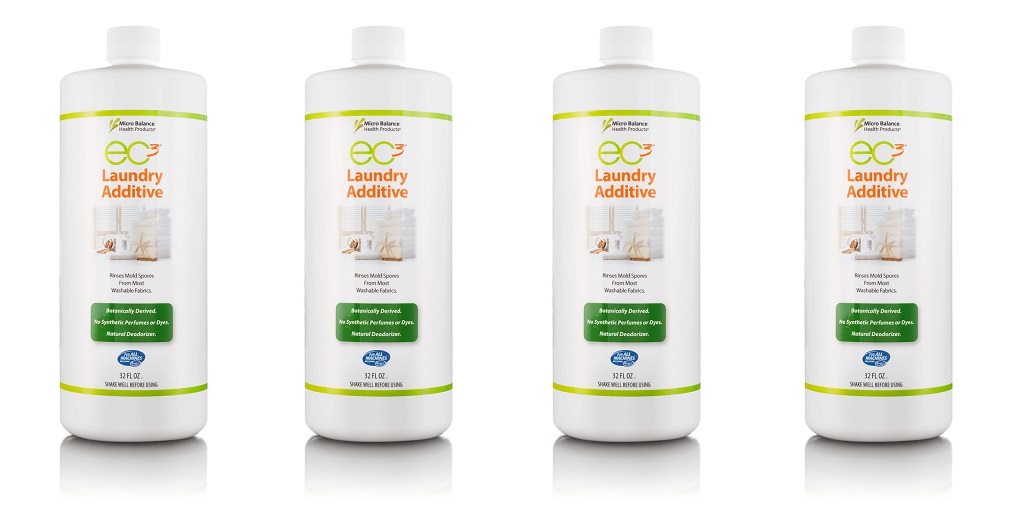
Have you ever noticed a musty smell in your towels or forgotten wet laundry in the washer? That’s mold and mildew creeping in. These pesky problems can quickly take hold, especially in humid climates. Luckily, there’s a simple solution: mold-fighting laundry additives, like Micro Balance Health Products’ EC3 Laundry Additive.
EC3 Laundry Additive is a specialized product that’s designed to rinse away mold spores, bacteria, and foul or musty odors from all types of fabrics. Using it is simple – just follow the instructions on the bottle. You can use it for regular washes, to freshen up your washing machine, and even to remove stubborn odors or deeper cleans.
Drying and Storing Linens
Drying your linens properly after washing them is key to maintaining their softness and shape. For most items, a tumble dry on low heat works well. Try not to over-dry your items, as this can weaken fibers and cause shrinkage. If the weather permits, line-drying your linens outdoors can give them a fresh and airy scent that no fabric softener can replicate.
When folding and storing, make sure your linens are completely dry to prevent mildew. Keep them in a cool, dry place, and consider adding a sachet of lavender or cedar to your linen closet for a touch of natural fragrance and added protection against pests.
Regular care and a few extra steps can make a world of difference in how your linens look and feel. By following these simple tips, you’ll not only extend the life of your linens but also ensure they remain a source of comfort and style in your home.
