
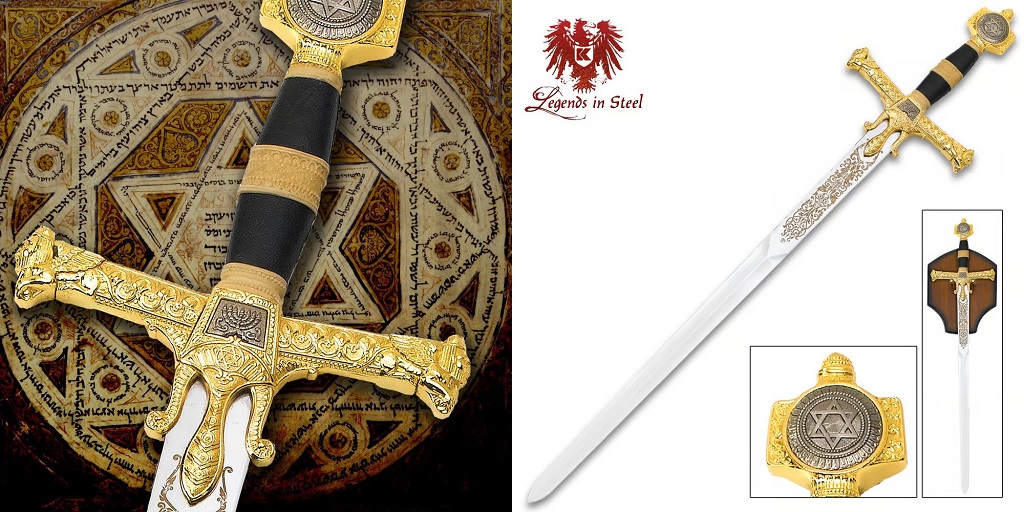
Medieval swords have captivated historians, enthusiasts, and collectors for centuries. These iconic weapons were not only tools of war but also symbols of status, craftsmanship, and technological innovation.
Spanning a variety of types, shapes, and uses, medieval swords evolved significantly between the 5th and 15th centuries. This article explores the defining characteristics of these swords, and where you can find high-quality cosplay medieval swords online, for display or reenactments.
Overview of Medieval Swords
Swords were central to medieval combat, particularly in Europe, where they became a staple of knights and warriors. As metallurgy and craftsmanship improved, swords adapted to meet the needs of evolving combat strategies.
From simple designs meant for cutting to complex, versatile blades suited for piercing armor, medieval swords reflected the technological advancements of their time.
Materials and Construction
The materials and methods used to create swords varied widely depending on the era and region.
a. Blades
- Iron and Steel: Early medieval swords were often made of iron. By the High and Late Middle Ages, steel became the preferred material due to its durability and flexibility.
- Pattern Welding: Many early medieval swords featured pattern-welded blades, in which iron and steel were twisted and forged together. This technique not only improved the blade’s strength but also created distinctive swirling patterns.
- Tempering: Advancements in tempering allowed for harder edges and more resilient cores, balancing sharpness with durability.
b. Hilt Components
The hilt, which includes the pommel, grip, and guard, was often made from a combination of metals, wood, and leather.
- Pommel: Initially used for counterbalancing the blade, pommels later became decorative and symbolically significant.
- Grip: Covered in leather, wood, or wire, the grip was designed for comfort and control.
- Guard: The crossguard evolved from a simple bar to intricate designs that protected the user’s hand.
Sword Features
a. Blade Geometry
Medieval swords exhibited diverse blade geometries suited to specific combat scenarios:
- Oakeshott Typology: Historian Ewart Oakeshott developed a system to classify medieval sword blades based on their shape and function. For example:
- Type X: Broad, flat blades designed for cutting.
- Type XV: Tapered blades optimized for thrusting.
b. Weight and Balance
Despite common misconceptions, medieval swords were not excessively heavy. Most weighed between 2 and 4 pounds, with balance points located near the hilt to facilitate agility.
c. Sharpness and Maintenance
Swords required regular maintenance to retain their edge and prevent rust. This was especially crucial in damp European climates.
Cultural and Symbolic Significance
Swords were more than mere weapons; they carried deep cultural and symbolic meaning.
- Knighthood: Receiving a sword often marked the initiation of a knight, symbolizing honor and loyalty.
- Heraldry: Swords frequently appeared in coats of arms and heraldic designs.
- Religious Connotations: Many swords bore inscriptions or designs invoking divine protection.
Combat Techniques
Medieval swordsmanship was a skill honed through rigorous training.
- Schools of Swordsmanship: Manuals like Johannes Liechtenauer’s Fechtbuch outlined techniques for wielding longswords and other blades.
- Versatility: Swords were used in conjunction with shields, bucklers, or even bare hands in combat scenarios.
- Half-Swording: This technique involved gripping the blade’s base for greater control in piercing armor.
Legacy: From Combat to Cosplay
The medieval sword remains a subject of fascination, celebrated in literature, film, modern reenactments, and even cosplay. Its evolution reflects not only technological advancements but also the cultural and artistic spirit of the Middle Ages.
Medieval swords were far more than tools of war. They were works of art, symbols of power, and testaments to the ingenuity of medieval craftsmen. Today, replicas like the quality cosplay medieval swords you can find at True Swords continue this legacy, as these blades feature many of the very same characteristics that the originals possessed. Whether you’re a collector, history buff, or enjoy a bit of medieval cosplay every now and then, these blades are just what you’re looking for!
