
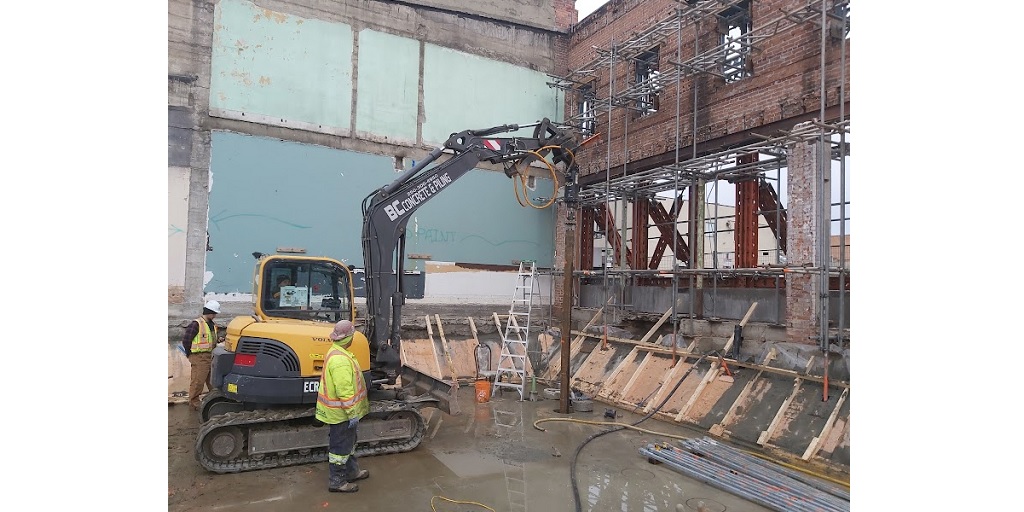
When planning a construction project, particularly one involving foundation elements like screw piles, it’s crucial to consider the placement of these structures relative to underground utilities. Proper planning and knowledge of local utility infrastructure can prevent costly disruptions and ensure the safety of workers and the longevity of the project.
Let’s explore the key considerations and recommended safety distances when deciding the placement of screw piles relative to underground utilities.
Understanding Screw Pile Installation
Screw piles, also known as helical piles, are increasingly popular due to their cost-effectiveness and adaptability to varying soil conditions. These piles are installed by screwing them directly into the ground, which makes them an ideal choice for projects ranging from residential to commercial and industrial applications. They offer stability, load-bearing capacity, and easy installation, making them suitable for a wide range of conditions. However, their installation requires careful planning, especially in proximity to existing underground utilities such as water lines, electrical conduits, and gas pipes.
Importance of Utility Location Mapping
Before any helical pile installation, it’s essential to have an accurate map of existing underground utilities in the area. Utility companies and municipal authorities often have records of underground services that can be consulted to avoid conflicts during installation. These maps are critical in avoiding accidental damage to utilities, which can lead to project delays, costly repairs, and safety hazards. Even small screw pile locations can cause disruptions if they intersect with a utility line, making it vital to understand their precise location.
Recommended Safety Distances
When installing screw piles near underground utilities, it’s essential to follow established safety guidelines to reduce potential risks.
- Utility Clearance: A standard safety practice is to maintain a minimum distance from underground utilities to prevent accidental contact. The recommended clearance varies depending on the utility type and local regulations but generally ranges between 1 to 3 meters. This distance provides enough buffer to avoid potential damage during the screw pile installation process.
- Consultation with Utility Providers: Engaging with utility companies early in the project planning phase is advisable. They can provide guidance on safe distances and may offer additional services such as utility location marking. This step is especially important in urban areas where the density of underground services is higher.
- Use of Trenchless Installation Methods: In situations where it’s impossible to maintain a safe distance from utilities, alternative installation methods like horizontal directional drilling or trenchless techniques can be considered. These methods allow screw piles to be installed without the need for large excavations, minimizing the risk of damaging underground utilities.
- Regulatory Compliance: Always adhere to local codes and regulations governing screw pile installation near utilities. Compliance ensures that all safety measures are in place and can help avoid legal issues if an accident occurs. Regulatory bodies often have specific requirements that need to be followed to protect both workers and existing utility infrastructure.
Benefits of Careful Planning
Investing time in careful planning regarding screw pile locations can lead to several benefits. By avoiding utility conflicts, construction projects can proceed smoothly and safely, avoiding costly delays. Additionally, careful planning helps protect utility services, ensuring they remain operational without disruption to local communities. The use of reputable helical pile companies with experience in utility coordination can be invaluable in preventing such issues.
When planning screw pile installation near underground utilities, it’s essential to prioritize safety and thorough planning. Understanding the local utility landscape, maintaining appropriate clearance, and consulting with utility providers are all critical steps in ensuring a successful and safe installation. By taking these precautions, you can avoid disruptions, maintain project timelines, and protect utility services.
Remember, partnering with experienced helical pile companies that are familiar with local regulations and best practices can make a significant difference in the success of your project. Proper planning and clear communication are key to avoiding costly mistakes and ensuring a smooth installation process.
