
A clean pond isn’t just easy on the eyes. It’s the difference between a thriving little ecosystem and a murky soup that smells like regret. Whether you have a small pond in your backyard or a larger water feature that’s home to your collection of fish, knowing how to clean your pond the right way keeps the water clear, the plants healthy, and the wildlife happy. Here’s how to clean your pond the right way, from preparation to safely using the right pond cleaner and beyond:
Why It’s Important to Clean Your Pond Regularly
Ponds are living systems. Leaves fall in, fish produce waste, algae grows, and before you know it, debris starts piling up on the bottom. If left unchecked, that buildup reduces oxygen levels, thus harming fish and beneficial bacteria.
Regular cleaning helps maintain water balance, prevents foul odors, and keeps algae from taking over your pond. More importantly, it allows your pond to function naturally instead of constantly fighting problems.
When Is the Best Time to Clean Your Pond?
When you decide to clean your pond can be as important as how you clean it. Spring is usually the ideal season because it prepares your pond for the warmer months when biological activity increases. Cleaning in early spring also gives you a chance to remove winter debris before it starts to decay. Light maintenance in fall also helps by clearing fallen leaves.
As for when not to clean your pond, deep cleaning in summer is risky because it can stress fish. Winter cleaning should also be avoided unless it’s absolutely necessary.
Preparing Your Pond for Cleaning
Before doing anything, take a moment to observe your pond. Take note of how your fish behave, the clarity of the water, and the health of the plants.
Moving fish to a temporary holding tank with pond water while cleaning is a smart move. To prevent damage, it’s also important to turn off your pond’s pumps and filters. From there, prep your cleaning supplies (a net, pond vacuum, and dechlorinated water) to make the process smoother and safer for everything living in the pond.
How to Clean Your Pond Without Harming Fish
The goal isn’t to make your pond sterile. Beneficial bacteria are essential for breaking down waste. Start by skimming leaves and floating debris from the surface of the water. After that, gently remove excess sludge from the bottom with a pond vacuum instead of draining all the water.
If algae is present, it’s best to remove it by hand rather than using harsh chemicals. To preserve healthy bacteria colonies, clean the filters with pond water, not tap water.
Using Pond Cleaner Safely
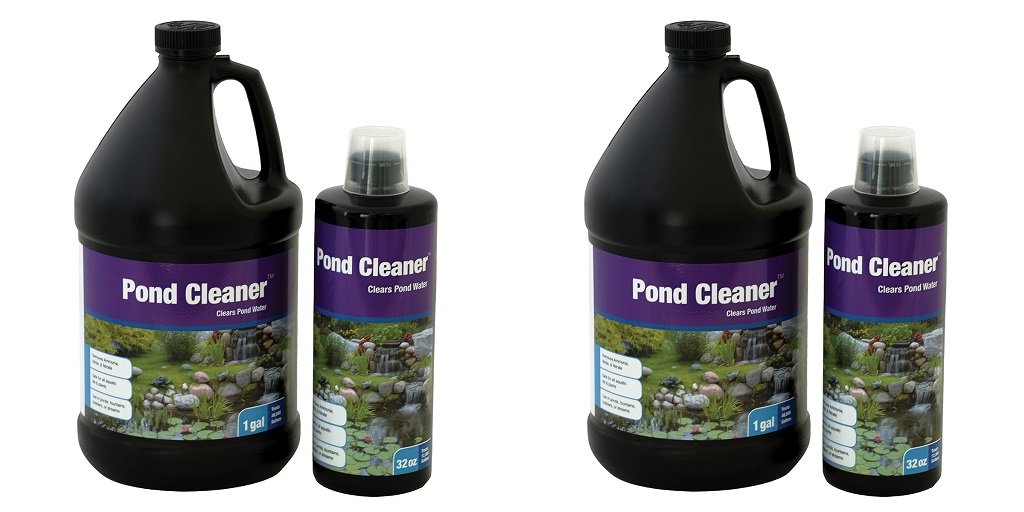
Sometimes, manual cleaning isn’t enough. That’s where a pond cleaner like Pond Cleaner (Dry) from Blue Thumb comes in. It’s specially formulated to keep a pond re-seeded with biological bacteria and removes high levels of ammonia, nitrite, and nitrates. When used weekly, it can clarify the water and improve the overall pond ecosystem, leaving you with a cleaner and healthier pond.
Pond Cleaner (Dry) is available in a variety of sizes to suit your needs. Purchase today by visiting the Blue Thumb website.
Cleaning your pond the right way is really about respect for the ecosystem you’ve created. Treat it like a living space, not a swimming pool, and it will reward you with clear water, healthy fish, and a peaceful outdoor escape you’ll enjoy year-round.
