
If your freshly washed laundry still smells musty or moldy, you might be facing a problem that goes beyond your clothes—it could be coming from your washing machine itself. While many assume the moldy odor is due to dirty laundry or lingering stains, in many cases, the washing machine is actually the source.
Mold growing inside a washing machine—especially front-loading models—can contaminate your laundry no matter how many cycles you run.
Why Mold Builds Up Inside Washing Machines
Front-loading washers are particularly vulnerable to mold buildup. One common issue is the rubber gasket around the door, which traps moisture and residue. This design flaw creates a hidden, damp space—an ideal environment for mold spores to grow.
Because this gasket is not found in top-loading machines, those models tend to have fewer issues with hidden mold.
Another contributor is the misuse of detergent. High-efficiency machines require only a small amount of detergent—typically just one tablespoon per load. Using too much soap, even if it seems like it would clean better, actually creates a sticky residue that molds thrive on.
Combine that with the machine’s limited water usage, and you’ve got a breeding ground for mold.
Telltale Signs It’s the Machine, Not the Laundry
So how do you tell if the mold smell is coming from your clothes or the washer? If you’re consistently getting that musty odor across multiple loads, even with clean clothes and fresh detergent, it’s a red flag.
Check the inside of your machine, particularly under the rubber door seal (gasket). If you peel it back and notice black or brown spots, speckles, or a slimy film, you’ve found your culprit.
You may also see soap scum buildup on the inside of the door or on the detergent tray. In severe cases, the odor becomes noticeable as soon as you open the door, even before washing a load.
What You Can Do About It
If you discover mold inside your washing machine, the first step is to clean it thoroughly. A simple and effective method involves wiping the gasket and interior parts with an enzymatic cleaning solution. Enzymes are great from any surface or area where moisture is constant, because moisture activates the enzymes, so they continue to work between cleanings. . This helps kill mold and remove buildup. Make sure to peel back the gasket and dry it completely—don’t just wipe the surface.
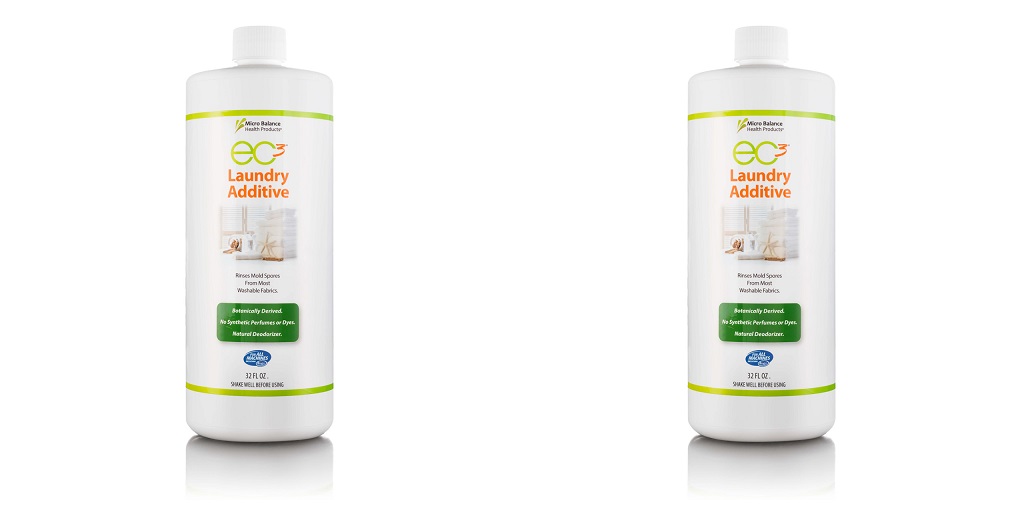
You can also use the EC3 Laundry Additive during the rinse cycle or directly in the wash basin, as it effectively tackles mold and musty smells throughout your laundry and washing machine. Its natural blend of citrus seed extracts, tea tree oil, and gentle surfactants targets mold spores, bacteria, and odor-causing yeast, removing them where standard detergents often fall short.
If you use the EC3 Laundry Additive for regular laundry, add one ounce in High Efficiency machines (or two ounces in others) to eliminate hidden mold in clothes, towels, linens, and athletic wear. This helps prevent odor buildup from sweat and microbial growth on fabrics.
To clean the washing machine itself, use three ounces during a dedicated clean cycle. This rinses away lingering mold and microbial residue, maintaining a fresh, bacteria-free environment, especially in front-loaders prone to moisture retention.
EC3 Laundry Additive is safe, chemical-free, and suitable for all washable fabrics—ensuring both clean laundry and a hygienic wash basin.
When Mold Becomes a Health Issue
Mold isn’t just unpleasant—it can be harmful. The most common mold found in washers is black mold, which can cause respiratory irritation, skin and eye discomfort, and even more serious reactions for people with allergies, asthma, or weakened immune systems.
If you or someone in your household is vulnerable to these conditions, addressing mold immediately is not just about cleanliness—it’s about health.
Make Laundry Time Easier with EC3 Laundry Additive
Moldy laundry after washing is not a minor inconvenience; it’s a sign to look deeper—literally—into your washing machine. Knowing the cause and taking consistent action can help you keep your washer (and your laundry) mold-free.
Using a small amount of the additive goes a long way toward preventing mold and protecting your home’s hygiene and your family’s health.
