
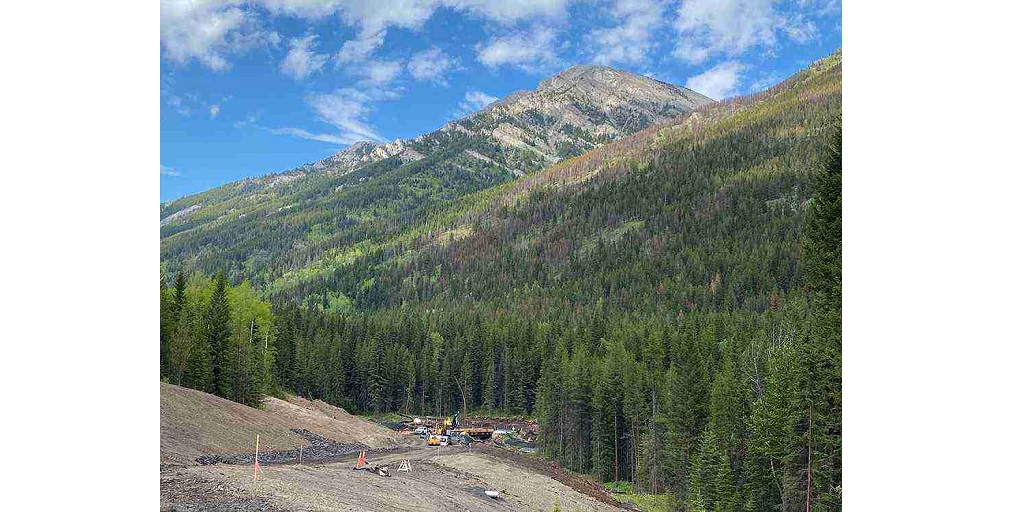
Land surveying plays a crucial role in construction, property development, and land management, but the challenges surveyors face can vary significantly depending on the environment. Two distinct terrains—dense forests and sparsely wooded areas—pose unique obstacles for a land survey company. Understanding these challenges helps ensure accurate data collection, efficient project execution, and the long-term success of land-based initiatives.
The Complexity of Dense Forest Environments
Dense forests present some of the most significant challenges for land surveyors. Thick vegetation, limited visibility, and uneven terrain make it difficult to set up equipment and obtain clear lines of sight. When operating in dense forests, a land survey company in Regina or elsewhere often needs specialized tools and techniques to navigate these issues.
Visibility and Line of Sight Issues
Dense forests can obstruct visibility, preventing surveyors from establishing straight measurement paths. In traditional surveying, the line of sight between equipment stations is critical for accuracy. Surveyors may have to clear vegetation or rely on advanced technology, such as LiDAR (Light Detection and Ranging), to penetrate thick canopies and create precise maps.
Equipment Transport
Transporting heavy equipment through dense forests can be physically demanding and time-consuming. Surveyors often need portable or lightweight tools designed for rugged conditions. The logistics of moving gear safely across uneven ground can significantly slow progress.
Environmental Restrictions
Forests often contain protected ecosystems or endangered species, requiring surveyors to work carefully to avoid disturbing the environment. A land survey company in Regina must also comply with local regulations, such as obtaining permits for work in sensitive areas or adhering to wildlife protection guidelines.
Advantages of Sparse Woodlands
While sparse woodlands may seem easier to survey at first glance, they still come with their own set of challenges. The open nature of these areas provides some benefits over dense forests, but the environment can still affect survey accuracy and efficiency.
Improved Visibility
Sparse woodlands typically allow better visibility, enabling surveyors to establish clear sightlines between points. This advantage can reduce the reliance on advanced tools and techniques, speeding up the survey process. However, surveyors must still contend with natural obstructions like low-lying vegetation, fallen branches, or uneven ground.
Reduced Equipment Strain
The open layout of sparsely wooded areas makes it easier to transport and set up equipment. Surveyors can work more efficiently without spending extra time clearing paths or carrying heavy gear through thick vegetation. However, they still need to be cautious of weather conditions or natural hazards, such as uneven terrain or hidden holes.
Exposure to Environmental Elements
Sparse woodlands may expose surveyors to weather elements like strong winds, excessive sunlight, or rain, which can affect equipment performance and worker safety. Unlike dense forests, which offer some natural protection, surveyors in sparse woodlands must take extra precautions to shield sensitive tools and ensure accurate readings.
Balancing the Challenges
Both dense forests and sparse woodlands require surveyors to adapt their strategies to the environment. The key to overcoming these challenges lies in preparation, the use of modern technology, and the expertise of a skilled land survey company in Regina or similar professionals elsewhere.
- Technology. Modern advancements, such as GPS and drone surveying, allow surveyors to work more efficiently in both environments. In dense forests, drones equipped with LiDAR can capture data from above, reducing the need to clear vegetation. For sparse woodlands, GPS technology ensures precise measurements even in open areas with limited landmarks.
- Team expertise. Skilled surveyors understand the nuances of different terrains and can adapt their approach to meet environmental demands. From managing vegetation in forests to accounting for weather exposure in woodlands, experience is critical to success.
- Environmental considerations. Surveyors must also prioritize sustainable practices. Minimizing disruption to ecosystems, following local regulations, and respecting natural landscapes are essential components of modern land surveying.
As technology continues to evolve, the gap between the difficulties posed by different environments narrows, ensuring accurate and efficient land surveying across all landscapes. By addressing these challenges head-on, surveyors contribute to the successful management and development of land for future generations.
