
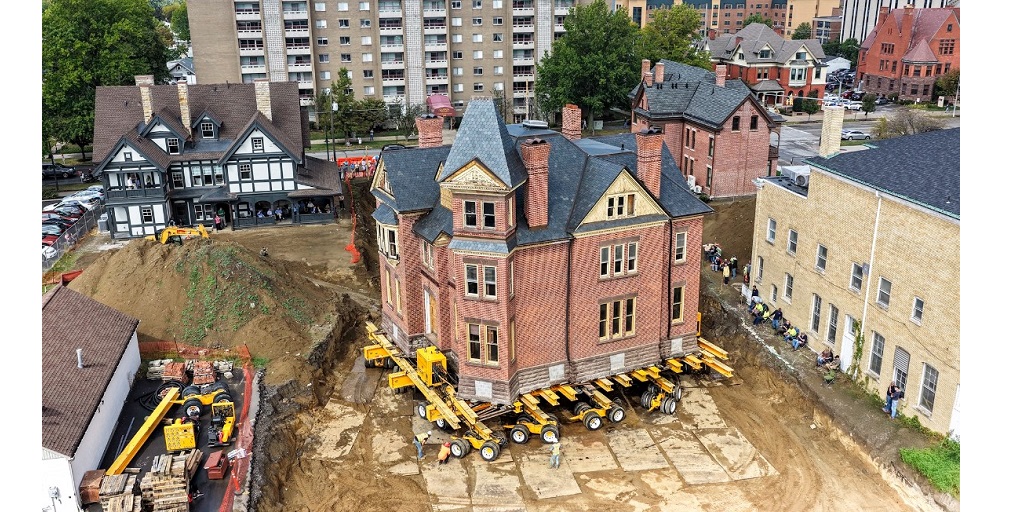
What happens when a building can’t stay where it is, but tearing it down doesn’t make sense either? Structural moving services are what some people consider to be the best choice. Sometimes the structure still has real value, whether that’s historical, practical, or financial. Instead of starting over, crews can relocate the entire building to a new site. It’s not a simple job, and it’s rarely the first option people consider. But in certain cases, moving a building is the most reasonable way to keep it standing while solving a bigger problem around it.
What is Structural Moving?
Lifting a building off its foundation and transporting it somewhere else in one piece is called structural moving. Buildings are usually moved when leaving them in place would lead to damage or loss. Older properties are a common example. A historic home or landmark might sit in the path of rising water, shifting ground, or coastal erosion. Moving it gives it a chance to survive without losing its identity. In growing cities, space is another issue. A building might stand in the way of a new road, rail line, or commercial project. Relocation becomes a practical workaround if a structure can’t be demolished due to regulations or public pressure.
There are also situations where moving a structure simply makes better use of the land. In tight urban areas, every square meter matters. Instead of clearing a site completely, developers may shift an existing building to open up space while still keeping it in use. Some projects even involve moving a building temporarily, then putting it back once nearby construction is finished. It sounds unusual, but it can save both time and materials compared to rebuilding from scratch.
Can Your Home Benefit from Structural Moving Services?
But not every building is a good candidate for relocation. The first thing engineers look at is condition. If a building is too weak or damaged, it may not have enough structural integrity to move it. Although many buildings can be shored or braced, crumbling materials and unstable framing may lead to the determination that the building is not worth moving.
What It Would Cost to Save Your House
The decision to move a structure depends on many factors, and one of them is cost. it includes specialized equipment, skilled labor, and permits. You also need to consider the overall value of the structure and the unique features or materials that would be expensive to replace.
Homeowners also need to check where they plan to move the building. A proper foundation must be built to match the structure, and the ground needs to support the weight. All of this effort requires a lot of planning, but with the right partners and contractors, the total of what it would cost to save your house can be manageable.
Make the Choice to Save Your Home
Structural moving services offer a practical way to save buildings that still have a purpose but are stuck in the wrong place. When homeowners make the choice to move, it can keep a structure in use for decades to come, especially when you choose the right structural moving service.
